service@lencolo37.com |
+86 18027002837(WhatsApp)

Search for Products.
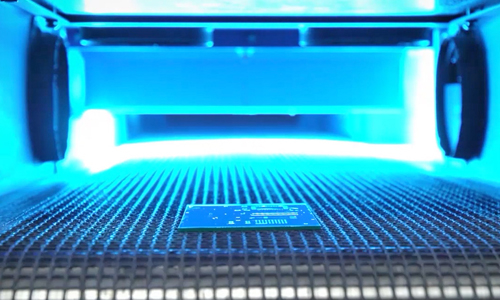
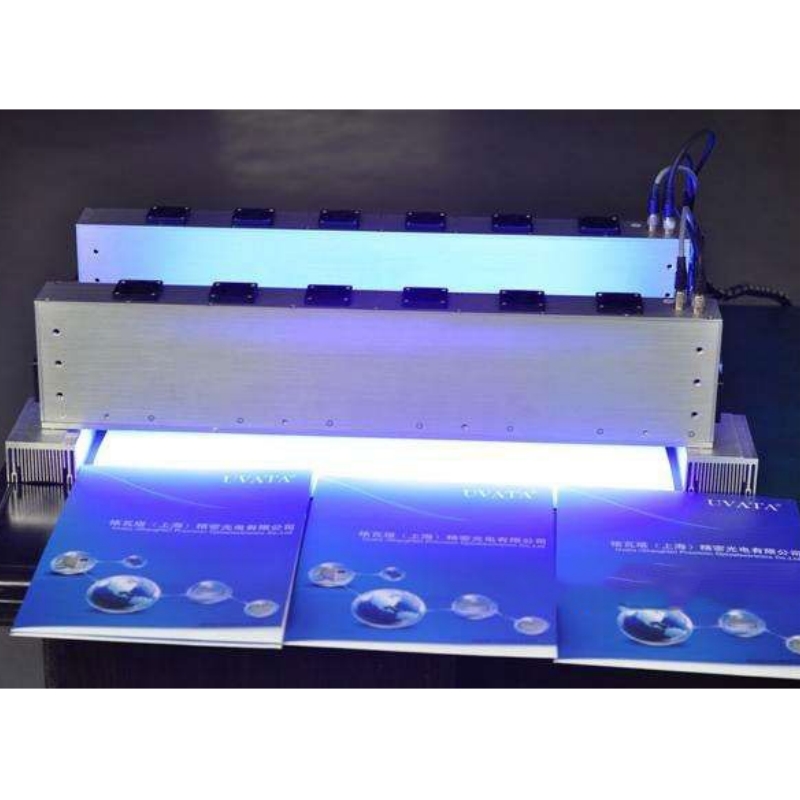
Excimer resin is a UV-curable resin that creates a soft, skin-like (soft-touch) matte finish. After the coating is applied and exposed to excimer light at specific wavelengths (e.g. 172 nm, 222 nm or 254 nm), the coating surface micro-wrinkles to form a fine, uniform texture — the “skin-feel” effect. “Excimer” refers to the excimer (excited-dimer) UV lamps used in this process.
Read More6 Key Factors Every UV Coating Formulator Should Know
Read MoreStandard film substrates — including PET, PC, PMMA, and composite films — are widely used in modern product design, from smartphone displays and automotive interiors to decorative and optical applications. Their transparency, flexibility, and lightweight properties make them highly versatile. However, these materials remain vulnerable to scratching, abrasion, contamination, and gradual surface degradation during use. UV hard coating technology provides an effective solution by creating a transparent protective layer that enhances durability, preserves appearance, and improves overall surface performance.
Read MoreIn vacuum metallization, the chrome finish is often the most visible indicator of quality. Mirror effect, gloss, and metallic appearance can usually be evaluated immediately after production. However, long-term performance is often determined much earlier — before metal deposition even begins. A well-designed UV primer does far more than support adhesion. It creates the foundation for surface uniformity, optical performance, coating stability, and long-term durability. When the primer is not properly matched with the application, issues such as chrome peeling, edge lifting, gloss variation, and environmental failure may gradually appear over time. For this reason, UV primer selection has become a critical factor in modern vacuum metallization systems.
Read MoreModern waterborne epoxy coatings deliver excellent corrosion protection for metals—low VOC, safe, and comparable to solvent-based systems. Read the full comparison.
Read MorePoor adhesion is one of the most common challenges in UV coating applications.Even when a coating achieves excellent gloss, hardness, and curing speed, it may still fail cross-hatch, tape, or water resistance tests if adhesion is insufficient. Below are five common causes of adhesion failure on plastic substrates and practical solutions to improve coating performance.
Read MoreIn automotive coating R&D and application, yellowing resistance is a critical benchmark—especially for topcoats and clearcoats, where yellowing often signals the beginning of coating failure.
Read MoreAnti-graffiti coatings are designed to resist a wide range of contaminants, including oil-based markers, spray paints, grease, asphalt residues, and resin- or dye-based pigments.
Read MoreIn UV curing, one frustrating scenario keeps showing up: the coating looks perfect, feels completely dry, and passes every visual check—yet fails the cross-hatch test instantly.
Read MoreIn today’s competitive market, customers don’t analyze—they react. The first thing they notice is simple: Does it look bright? Does it feel premium?
Read More
2025-01-06

2022-08-03