service@lencolo37.com |
+86 18027002837(WhatsApp)

Search for Products.
In consumer electronics, automotive interiors, and small appliances, surface feel plays a decisive role in perceived product quality. However, terms like rubberized coating and soft-touch coating are often used interchangeably in daily communication. From a formulation and materials engineering standpoint, these two coatings represent fundamentally different technical approaches, with clear differences in tactile intent, surface construction, and durability strategy.

The primary difference begins with tactile objectives. Rubberized coatings are designed to increase resistance and grip, creating a noticeable damping sensation when the finger moves across the surface. Soft-touch (skin-feel) coatings, by contrast, aim for a dry, smooth, and refined touch, minimizing friction while avoiding any sticky or oily sensation. These opposing goals drive entirely different formulation and surface design paths.
Rubberized coatings typically target a higher dynamic coefficient of friction, often in the range of 0.6 to 0.8 depending on test conditions. This higher friction provides stable grip and reduces the risk of slipping during operation. As a result, rubberized coatings are commonly used on tool handles, knobs, and functional components where control and safety outweigh tactile delicacy.
Soft-touch coatings generally aim for a lower dynamic coefficient of friction, commonly between 0.3 and 0.5, with premium systems reaching even lower values. The tactile goal is not resistance, but comfort—creating a surface that feels smooth, fine, and dry during frequent contact. These coatings are widely applied to earbud housings, computer mice, remote controls, and other high-touch consumer electronics.
The tactile contrast between the two coatings originates from their microstructural design. Rubberized coatings rely on soft, low-Tg resin systems combined with irregular fillers that generate surface roughness. This combination produces both bulk softness and frictional resistance. Soft-touch coatings, in contrast, depend on engineered microstructures—such as elastic microspheres or surface-active additives—that form a more uniform, controlled texture at the coating surface.
In rubberized coatings, the finger encounters a relatively rough and disordered surface, increasing real contact area and friction. Soft-touch coatings reduce effective contact area by dispersing contact points across uniform microstructures. This effect can be understood as a combination of reduced surface energy and quasi-rolling contact, resulting in a smoother and more refined tactile perception.
Tactile performance must remain stable over time. Traditional rubberized coatings, especially early polyester-based polyurethane systems, are vulnerable to hydrolysis under heat and humidity. This degradation often leads to surface stickiness, dust attraction, and rapid loss of tactile quality, particularly in warm and humid environments.
To improve long-term stability, many soft-touch systems adopt polyether or polycarbonate diol (PCD) structures, which offer better resistance to hydrolytic degradation. However, resin selection alone does not guarantee durability. Crosslink density, additive migration control, and surface chemistry all play critical roles in maintaining consistent tactile performance throughout the product lifecycle.
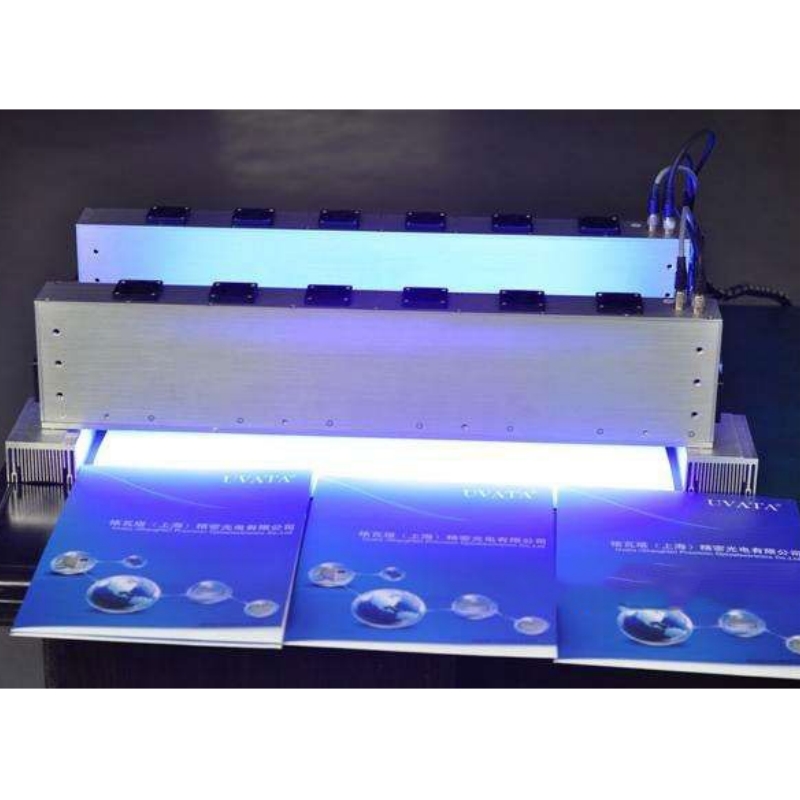
In the 3C electronics industry, soft-touch coatings are increasingly implemented through UV-curable systems. In these formulations, tactile properties are achieved primarily through surface structure and additive design rather than bulk softness. UV systems offer fast curing, high appearance consistency, and excellent production efficiency, making them well suited for smooth, dry tactile targets.
Coating selection should always follow functional priorities. When grip, damping, and anti-slip performance are essential, rubberized coatings are the more appropriate solution. When comfort, refinement, and frequent touch experience are the primary concerns, soft-touch coatings—whether 2K PU or UV-based—are typically the better choice, provided that microstructure control and adhesion balance are carefully managed.
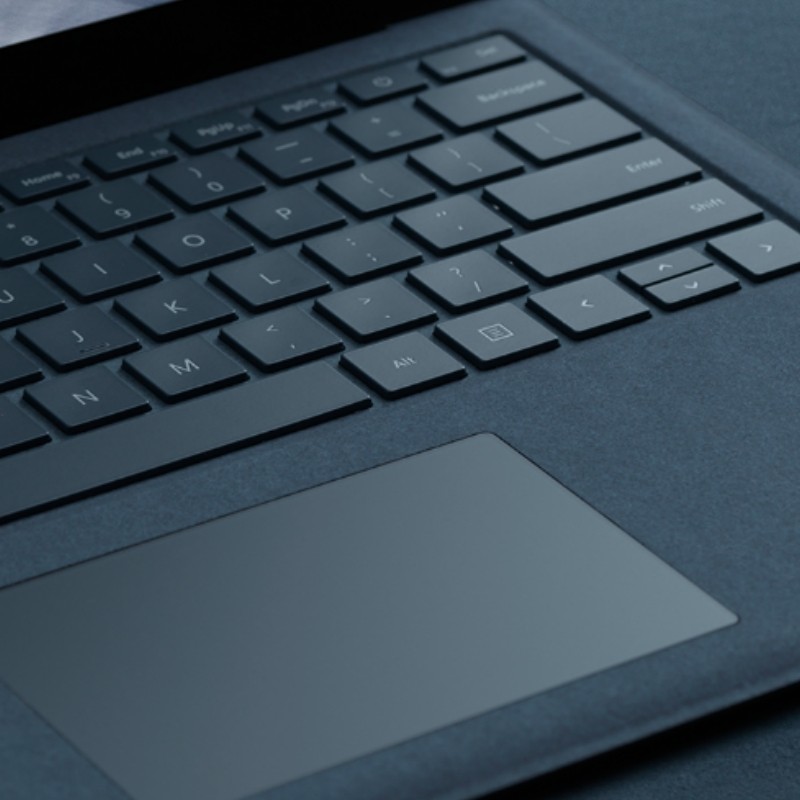
“Soft” alone is not a sufficient engineering descriptor. The true tactile outcome of a coating depends on the coordinated design of resin backbone, surface microstructure, and top-layer chemistry. Defining the tactile objective first, and then selecting the appropriate technical pathway, leads to more efficient development, greater durability, and a closer alignment between design intent and user experience.
#SoftTouchCoating #RubberizedCoating #SoftTouchFinish #SurfaceCoating #CoatingTechnology #PolyurethaneCoating #UVCoating #TactileFeel #SurfaceEngineering #ConsumerElectronics #AutomotiveInterior #FunctionalCoatings

2025-01-06

2022-08-03